Type: Audio-based, History of Music
If You Like: Vinyls, Shared Experience, Music in all its forms
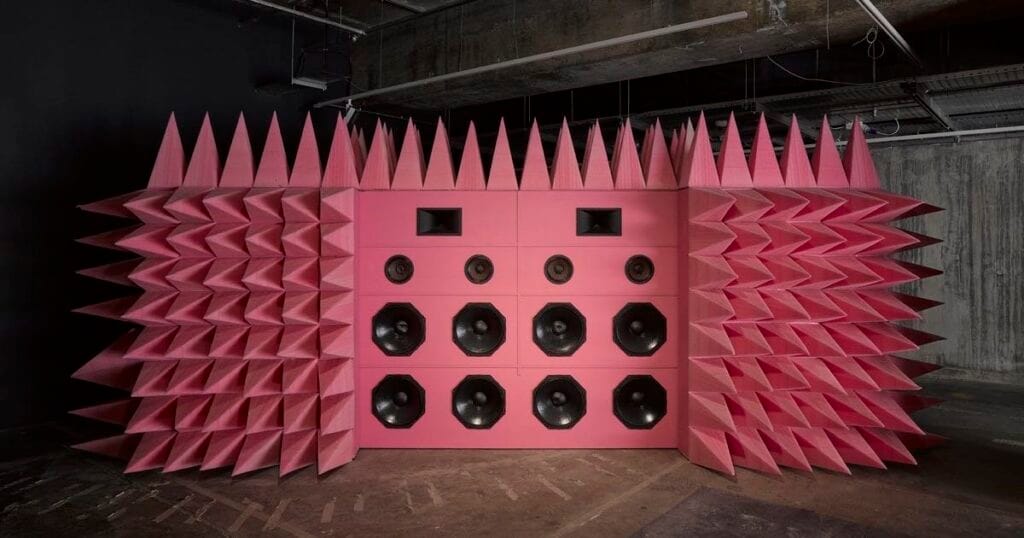
With Melbourne’s Rising festival just days away from kicking off, audiophiles and art-lovers alike would do well checking out The Vinyl Factory: Reverb, ACMI’s coinciding exhibition. This exhibition explores vinyl culture and the influence that music has had on art, film, and social movements.
Staged originally in London at 180 Studios, 2026 marks 20 years since the exhibition first opened. To help celebrate this glorious milestone, The Vinyl Factory: Reverb features works from Stan Douglas, Jenn Nkiru, William Kentridge, Jeremy Deller, Virgil Abloh, Kahlil Joseph, Gabriel Moses, Cecilia Bengolea, Julianknxx and Carsten Nicolai, as well as pieces made exclusively for the exhibition.
Exploring the early days of genres like house and techno, the exhibition dives into different eras and energies of music, showcasing the transformative power of music and its ability to effect real change.
Music, perhaps more than any other medium in our modern age, has the power to bring seemingly disparate people all together in one place. People from all walks of life flock to music festivals and concerts, standing shoulder to shoulder with complete strangers, but finding common ground in their love of music.
The focal point of the exhibition is obviously vinyl. Sales of this physical, analogue discs have increased exponentially over the past decade. In a world dominated by convenience and instant gratification, where everything we ever need is right at our fingertips, vinyl offers a respite from our fast-paced reality. The ritualistic nature of vinyl forces our usually scattered brain to be present. Rather than have a seemingly endless collection on their phone or computer, people can amass a tangible example of their unique taste in music. By listening on vinyl, we engage with music as the artist intended.
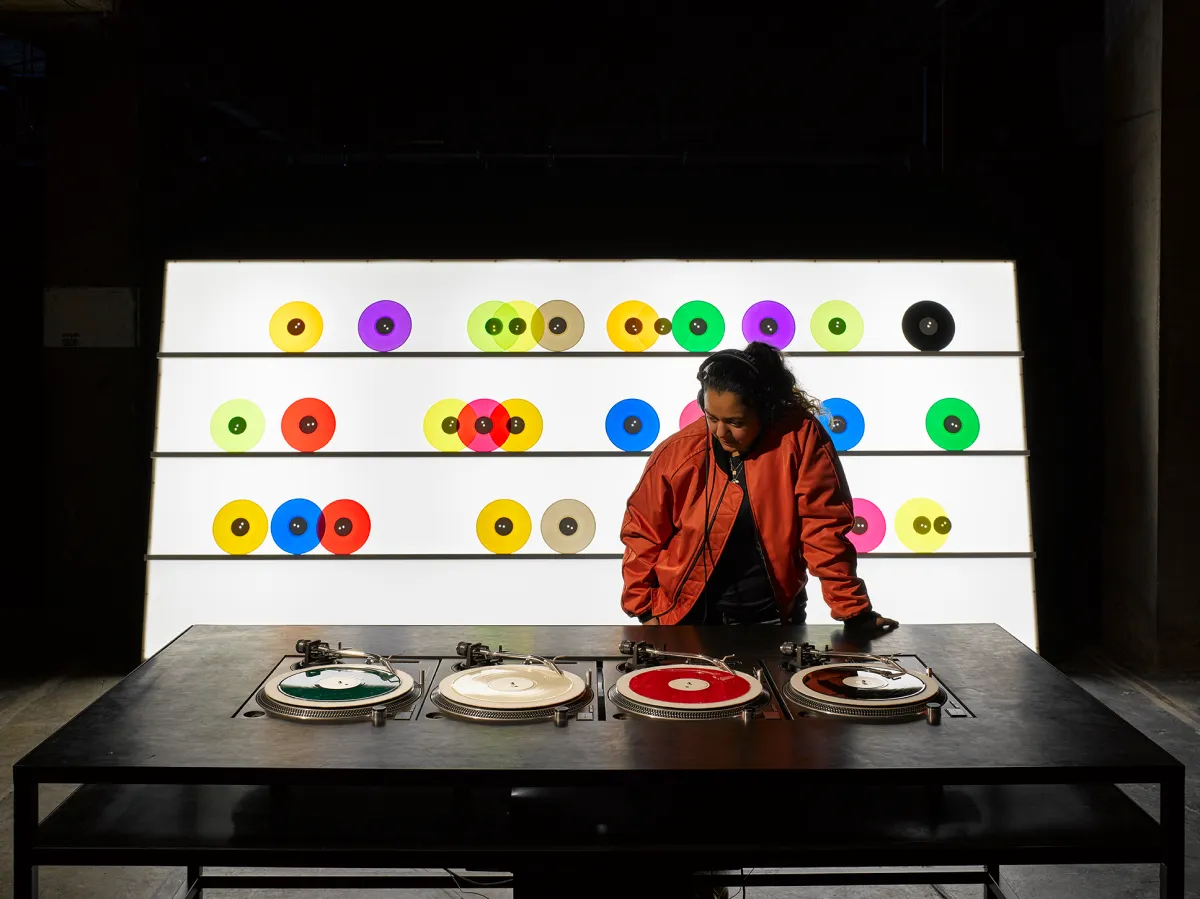
One exhibit in particular that brings the power of music into sharp focus is The Listening Room. This large room with stools, armchairs, and tiered seating invites people to enjoy music as a collective. Patrons can pick and choose different vinyl from a carefully curated collection and play it on a record player in the centre of the room. For many people, music isn’t just sound: it is part of what makes them, them. The Vinyl Factory: Reverb brings this idea into sharp focus.
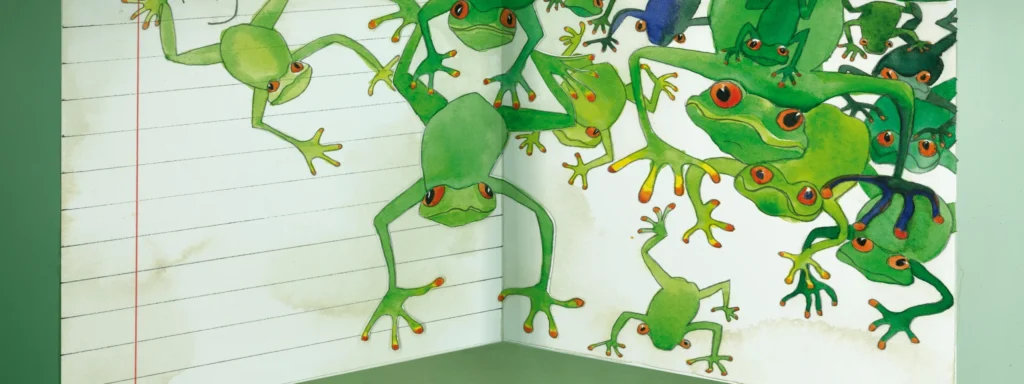
Second-Hand Reading (2013) by William Kentridge is one exhibit I would like to draw particular attention to. Making use of three different art forms, Kentridge brings us this emotionally complex piece. Drawing passages of poetry and figures onto the pages of an encyclopaedia and a dictionary, Kentridge brings attention to the apartheid in South Africa, particularly how colonial power and racial hierarchy shaped access to systems of knowledge. In his home country of South Africa, these weighty tomes carried that authority, presenting a neutral point of view while simultaneously reinforcing exclusion. To accompany his video, Kentridge chose a Sesotho funeral hymn by Neo Muyanga. This hymn, which features piano and vocalisation, was written in response to the 2012 Marikana Massacre, when police killed 34 workers who were striking. Kentridge connects the older, once racially guarded texts with more recent examples of violence and inequality in South Africa.
This particular exhibition is certainly geared towards a more adult audience. Exploring weighty themes and subject matter, younger audiences may not find the exhibition stimulating. As someone with a deep appreciation for all artforms, I love learning more about other mediums and how they use their latent abilities to effect real change. This exhibit scratches that particular itch in my brain, showcasing all the ways people have used this incredibly powerful medium.
See our other reviews from the RISING Festival in the link below
Tickets and Practical Info for Reverb at RISING 🎟️
Fri 22 May — 31 August
ACMI
$13 — $25
Tickets: https://2026.rising.melbourne/program/the-vinyl-factory-reverb
Stan Douglas, Jenn Nkiru, William Kentridge, Jeremy Deller, Virgil Abloh, Kahlil Joseph, Gabriel Moses, Cecilia Bengolea, Julianknxx and Carsten Nicolai.