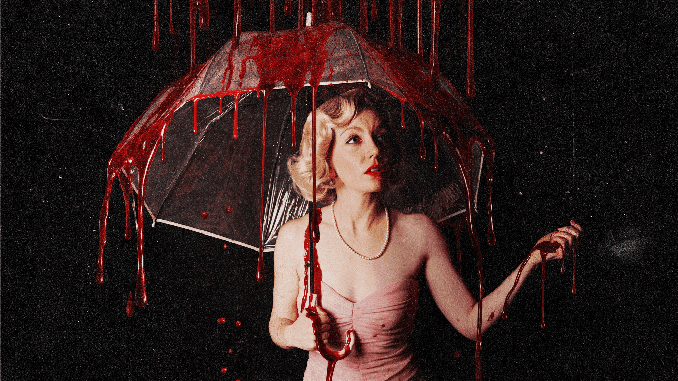
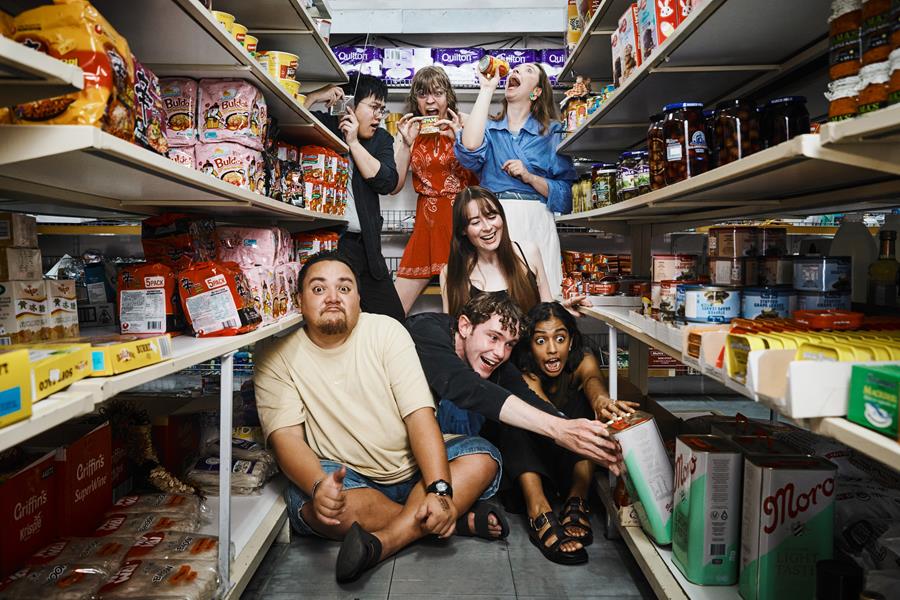
Shopfront Arts Co-Op’s annual ArtsLab program returns with seven new artists taking part to create new, original, exciting works
ArtsLab is Shopfront Arts Co-op’s flagship emerging artist residency program. A six-month laboratory that offers free space, masterclasses, networking opportunities and professional mentorship. The residency culminates in a festival-style season to present the artists’ work to the public. This residency isn’t just about creating work; it is about learning what it takes to have a sustainable career in the arts.
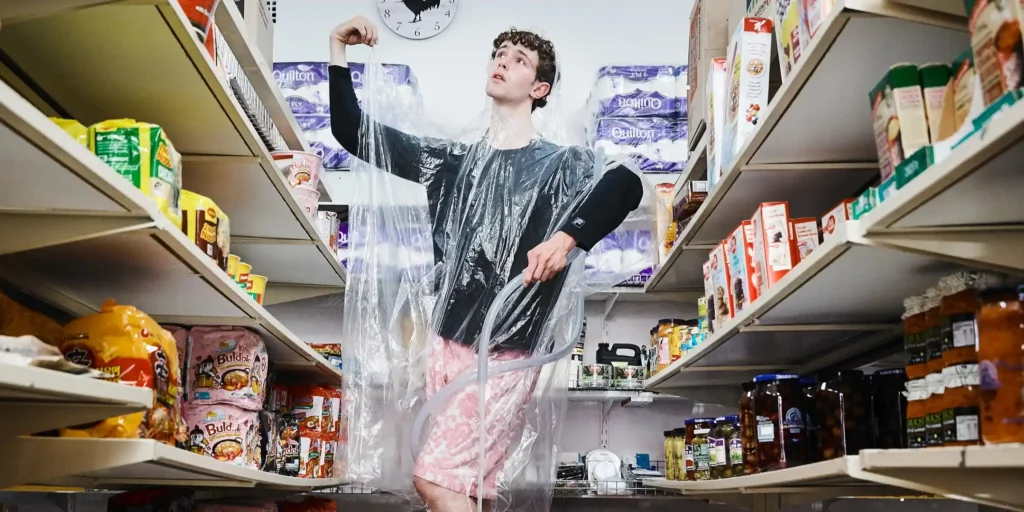
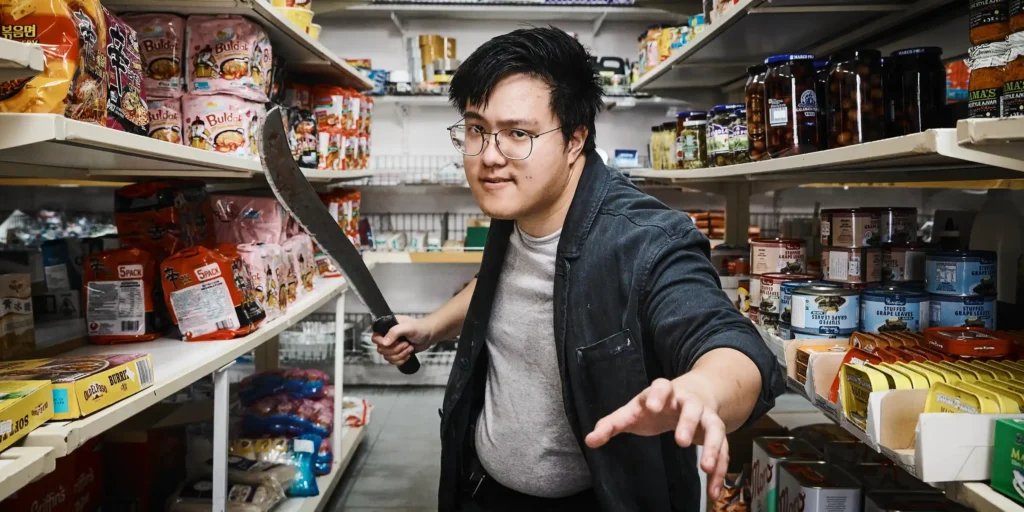
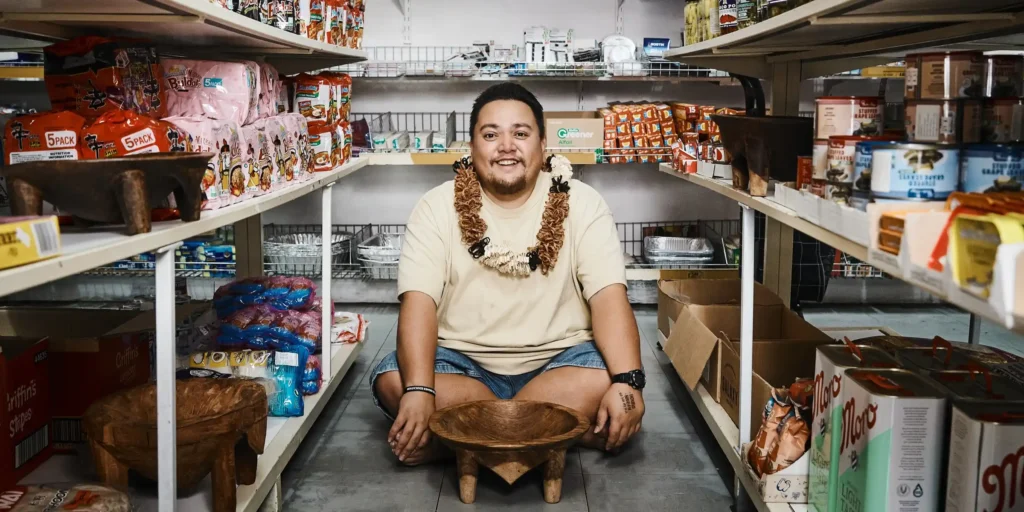
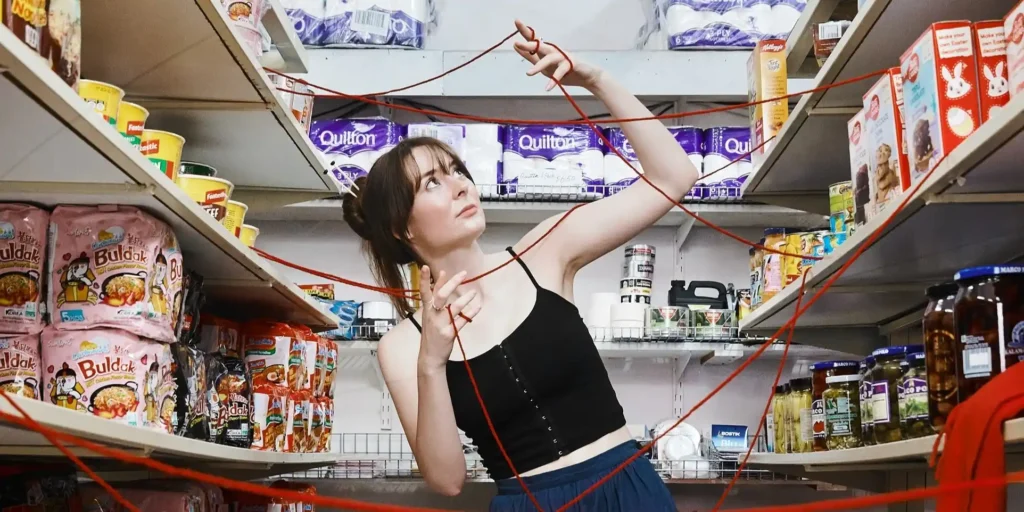
Theatre Thoughts heard from ArtsLab members, Robert Hoang (Big Trouble In Little Saigon), Anusha Thomas (Mind Your Business), Spark Sanders Robinson (What We See In the Water), Joshua Di Mattina-Beven (WaterWorks), Jasmine Jenkins (Holy Mackerel! The Death of the Son and the Power of the Fish), Madi Phoenix (Sleeping Kings), and Elijah Lemusuifeauali’I (Tala ‘O e Kumete) in our Fast Five Q&A ahead of their festival-styled season.
Mentored by artists who have made a successful career in the arts, these seven new emerging artists have worked with the likes of Jules Orcullo, Tasnim Hossain, Harriett Gillies, Jordan Shea, Sisi’uno Helu, Alice Osborne and Rosemary Myers. 2026’s ArtsLab: Overflow promises to be daring as new performance works span installations, theatre, puppetry, music, cabaret and comedy.
Read the full Quick Five Q&A below, then head over to Shopfront’s website to book your tickets to the season at their home ground theatre in Carlton.
1. Describe your show in three words
Robert Hoang (Big Trouble In Little Saigon): Boyish. Dynamic. Explosive!
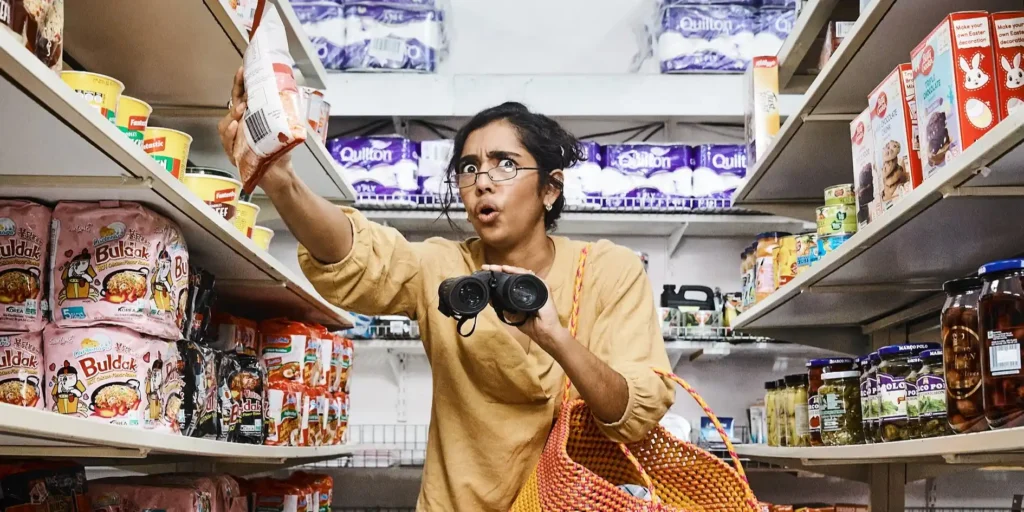
Anusha Thomas (Mind Your Business): Warm. Silly. Dynamic
Spark Sanders Robinson (What We See In the Water): So many lights!
Joshua Di Mattina-Beven (WaterWorks): Wet Ornamental Tantrum
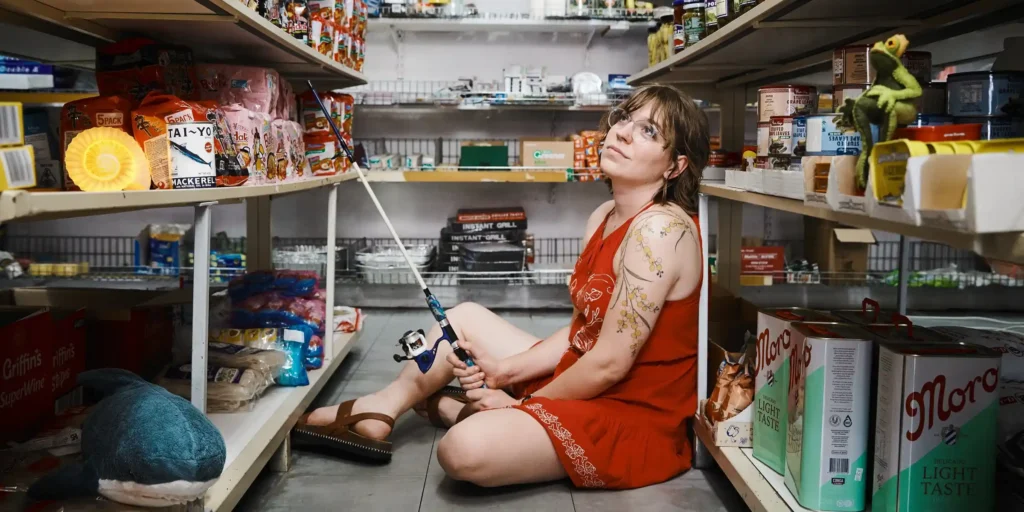
Jasmine Jenkins (Holy Mackerel! The Death of the Son and the Power of the Fish): Magical, maritime, and queer
Madi Phoenix (Sleeping Kings): Whimsical. Bittersweet. Wholesome
Elijah Lemusuifeauali’I (Tala ‘O e Kumete): Exploring & Carving Stories
2. What was the biggest artistic risk you took while creating this work?
Anusha Thomas: This is hard to say, because the whole process of making a work from concept to performance feels risky! Deciding that the work would be partly improvised felt like a big risk at the time – but now I’m so confident in my cast and the hard work that we’ve done on our characters and the story that I know every night is going to be an hilarious (and chaotic) show.
Jasmine Jenkins: Staging something I wrote myself is something I’ve never done before, so to be so ambitious on my first try was pretty risky – but I absolutely think it’s paid off.
Robert Hoang: Having Big Trouble in Little Saigon be a staged reading allowed my cast and I to have the script be constantly worked on throughout the whole ArtsLab process. It also took away a lot of the stress in trying to make something polished in a short amount of time! But the best parts have always been the rehearsals where we would work with the first half of a scene before improvising the rest as part of a ‘devising period’. I lost count (long ago) of how many times my jaw dropped during the most organic, golden moments—when characters would say things that felt like a stab in the gut and a twist of the knife. Letting my actors build the story alongside me has been the greatest joy, and the idea has to be properly credited to Nat and Callan at Shopfront!
Joshua Di Mattina-Beven: Staging the work outside introduces a whole lot of unexpected circumstances. We are not performing from the clean gallery or theatre as I have done before. Instead a train passing by, a neighbour walking home or the weather (rain or shine) become a part of the work’s DNA.
Elijah Lemusuifeauali’I: Commiting myself beyond the time I realistically have for my artistic practice.
Madi Phoenix: In a way this whole project was a bit of a risk, it was so ambitious and so things inevitably didn’t always go to plan but once a solution was found, it always ended up being for the best, like it was fated to happen… one particular one was not having enough time in our shoot block to film one of the scenes so we had to do it another day with a different camera. We ended up using an old camcorder, which I wrote into the story, the actors then filmed each other and it has ended up being one of my favourite parts of the film, opening my mind that “found footage” style doesn’t have to just be reserved for horror.
Spark Sanders Robinson: The show has a lot of different elements which is very exciting but tricky to put together. I think balancing all of these components is a risk but one that pays off.
3. If your show had a dream celebrity guest star (dead or alive), who would it be and why?
Anusha Thomas: Nitin Ganatra who played Mr Kohli in Bride and Prejudice – one of the best physical comedy performances of all time in my opinion. Or Meera Syal – Ummi from The Kumars at No.42 is an icon.
Madi Phoenix: King Arthur and Merlin
Spark Sanders Robinson: The treasure crab from Moana. The show is very shiny and I think he would fit into our team well.
Jasmine Jenkins: Every night I dream about having Hugo Weaving in the role of Les! I consider him such an icon of Australian gender-transgressive cinema (thanks to Priscilla Queen of the Desert), and he’s been a creative idol of mine for a number of years.
Joshua Di Mattina-Beven: Marina Abramović and Greta Gerwig (they come as a package deal).
Elijah Lemusuifeauali’I: My Anthropology Professor, Dr. Tevita Ka’ili, BYU-Hawaii.
Robert Hoang: This is a hard one, but I think Danny Boyle (of Trainspotting, 28 Days Later fame) would be amazing to have at the show. Their energy as a director is similarly stylish and bursting with energy, and it’s easy to make a connection between characters like Renton and Sick Boy to the boys in Big Trouble in Little Saigon. Runner-ups included Kurt Cobain and Hachikō the dog.

Spark Sanders Robinson: Listen to the material!
4. What’s one thing you’ve learned from being part of the ArtsLab program that you’ll take into future projects?
Anusha Thomas: You can’t critique the thing until you’ve made the thing. I spent a lot of time being afraid of making the wrong thing – but during the rehearsal process my mentor Tasnim Hossain and the Shopfront team really pushed me to make SOMETHING, so that we can build on it, and pull it apart and put it back together. It’s amazing what you can do when you truly collaborate and trust each other, and yourself.
Robert Hoang: ArtsLab has taught me so much! Between all the workshops, rehearsals and moments in-between, I think that being able to develop and narrow down my voice as a writer has been the most helpful. Being able to understand the flow of ideas in my brain before getting those rhythms of dialogue out onto the page is so incredibly exciting.
Joshua Di Mattina-Beven: ‘Play’ is not just a means to an end – it is the reason we gather and make things in the first place. Making space for play in my process beyond the shadow of a deadline has been a new priority for me. Thanks to the Shopfront team for leading by example on this one.
Madi Phoenix: The rehearsal process I did with our actors, treating it like theatre rehearsals. Often in film we don’t get very much rehearsal time but I found taking that extra time to discover the characters and build relationships really paid off. The actors knew their characters, what they wanted and their dynamic with each other, so well that when placed in a scene, they felt comfortable to improvise, which is where some of the best moments are found.
Jasmine Jenkins: A meaningful career in the arts is possible! I’ve learned that, while its never going to be easy, you can let theatremaking be more than just a hobby.
Elijah Lemusuifeauali’I: Logisitics. The work and effort that goes into planning, organizing, communicating to necessary departments, networking, costs and fundamentally all of the logistical-business work in order to deliver a project like mine.
5. Why should audiences come and experience your work at ArtsLab?
Elijah Lemusuifeauali’I: In truth, my work is dedicated to a particular audience – Pasifika diaspora. Tala ‘O e Kumete is an expression of my own journey. A journey that has been filled with experiences, learning and gained exposure. Things that can be limted to the Pasifika diaspora. I want Pasifika diaspora and diverse audiences to come and see, listen and learn from Tala ‘O e Kumete. Although it is my journey, it is a relative journey that can compliment, offer value and help build cultural journeys of their very own.
Robert Hoang: Come along to watch Australian history come to life, and a little-explored, powerful setting at that! Big Trouble in Little Saigon is a celebration of Asian Australian voices in theatre, and we can’t wait for people to see what we have in store.
Madi Phoenix: To feel something, see a bit of magic in the mundane and leave with a sense of hope in their hearts.
Joshua Di Mattina-Beven: WaterWorks is performed by an incredibly talented cast of dancers, clowns, sculptors and actors. If you’ve ever looked into the murky waters of Hyde Park Fountain and wondered what would happen if you jumped in, this work is for you.
Jasmine Jenkins: If you want to feel seen as a trans person, if you want to better understand the trans people in your life, or if you just want to see some good theatre, Holy Mackerel! is a show you should 100% come to see.
Anusha Thomas: To experience community – in all its messy, interconnected, joyful, chaotic glory.
Spark Sanders Robinson: Why should anyone see anything? To see something pretty unique, to hopefully feel something, to learn cool facts about the ocean, to marvel at the magic of shadows, to marvel at the power of the human voice, to see a beautiful little puppet scale a box mountain guided by sock puppet eels with glowing eyes….
The ArtsLab festival runs from the 8th to the 18th April, 2026, with Auslan interpreted performances, industry and emerging artist nights taking place across the season. Find out more and book your tickets here.