Type – English Oratorio, baroque music, classical singing
If you liked – St Matthew Passion, Saul, Theodora
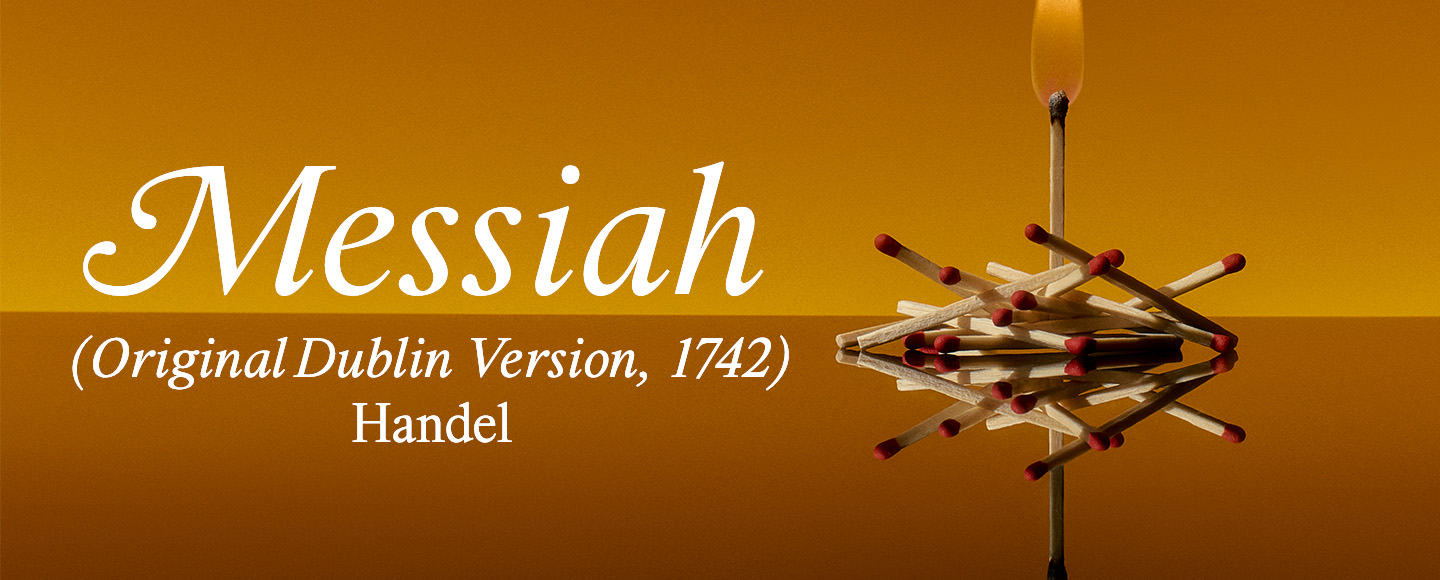
MESSIAH: a nuanced and fresh, five star rediscovery of Handel’s heavenly work
Written in just over three weeks, Handel’s Messiah is arguably the most performed musical composition from the 18th century. After his last few Italian operas had flopped in London, Handel started setting sacred texts (in English) to music to appeal to a wider audience and be able to perform it in churches and cathedrals, thus consolidating the genre of English Theatre Oratorio. In a baroque banter episode ahead of this performance, Pinchgut Opera‘s musical director Erin Helyard says “as opera became the dominant vehicle for secular drama, the adoption of operatic devices in oratorio made some ecclesiastical authorities uneasy. While some oratorios were staged or semi-staged, Handel discovered that concert performances could convey the dramatic intensity of the music whilst avoiding the suspicions of the pious.”
From London to Dublin, bankrupt Handel brought his organ and two musician friends with him where they petitioned local cathedrals for their choristers. He’d had been invited to present a season of charity and subscription concerts in Dublin which provided him the perfect opportunity to try this genre with new audiences. He reconnected with his friend and mezzo soprano Susannah Cibber who was equally as brilliant of an actor as she was a singer, and when he recognised that her expressive powers would carry the work, Handel adapted and moved things around to ensure she received the most emotionally potent arias. This wasn’t an uncommon occurrence – he routinely changed keys, tailored and adapted the work to the singers he had available at the time.
Pinchgut’s production
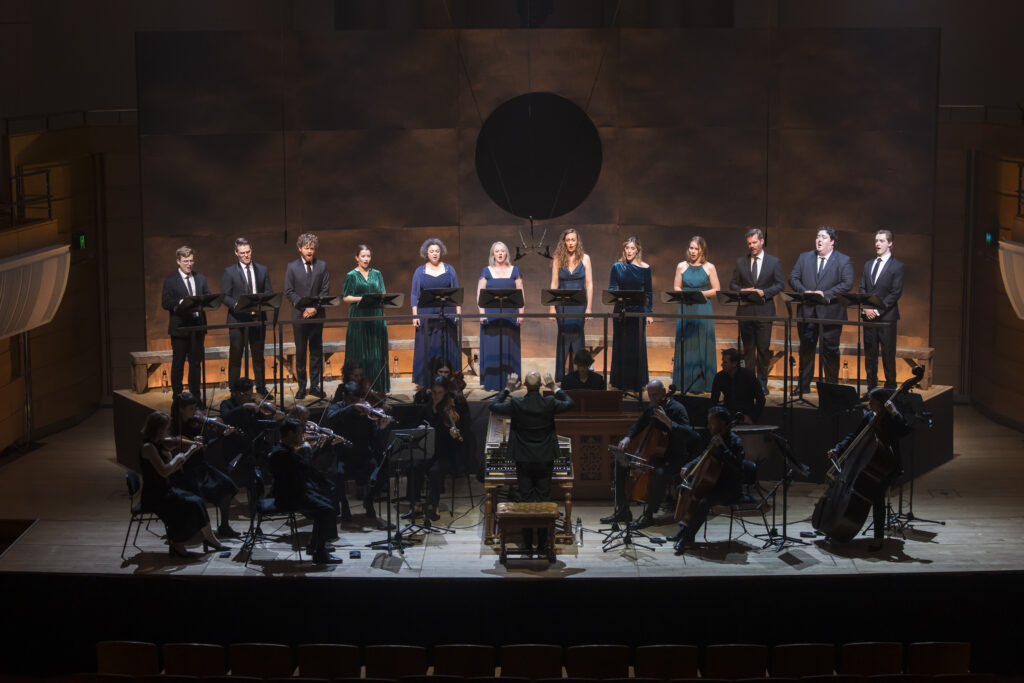
Usually performed with a symphony orchestra and large chorus, Pinchgut’s Messiah performance is a historically informed iteration of the 1742 Dublin premiere performance. With an elite group of 12 singers and 16 instrumentalists from the Orchestra of Antipodes on period instruments, Helyard (who leads from the harpsichord) says “it’s wonderful to do this early version because you get a clarity, a transparency and a vitality that is different from the larger versions.” Basically written for four soloists and chorus, Helyard’s direction shares the solos around the vocalists, with 3 voices on each part that also make up the chorus.
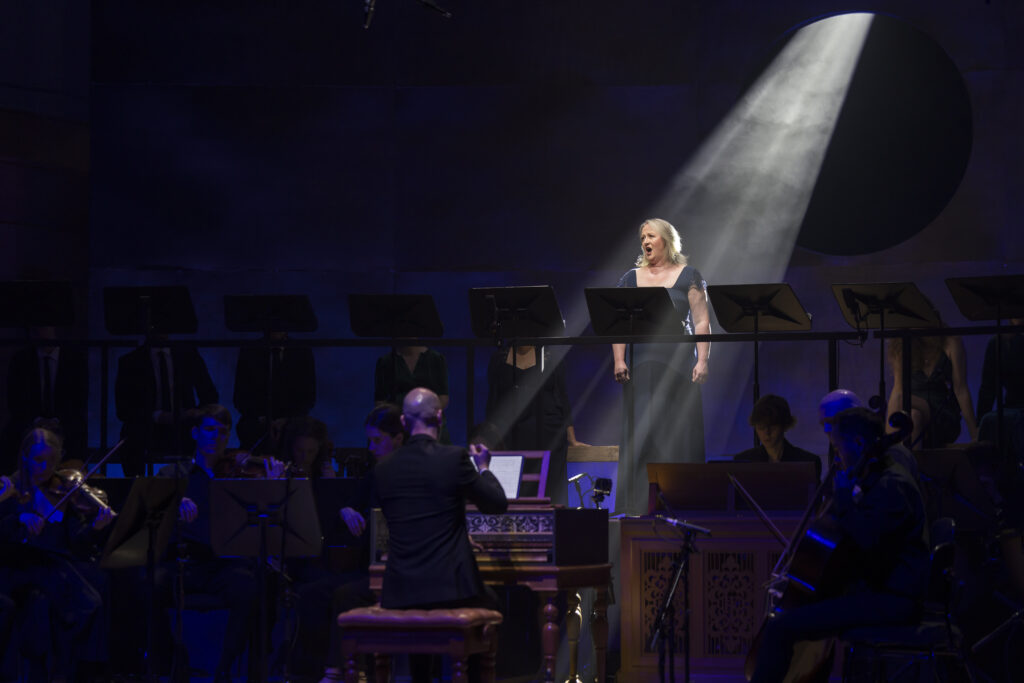
The staging sees the small instrumental ensemble at the front of the stage, with a single row of vocalists stood on raisers behind. The singers perform in front of a curved sound reflecting backboard with a large circular cut out in the centre. Damien Cooper‘s design uses the cut out to bathe the soloists in striking and angelic light that shines from behind them as well as using bold coloured hues that flood the backdrop.
Chamber ensemble brilliance
The balance of having a similar number of instrumentalists and singers creates an extremely intricate and intimate sound. There are some surprising tempi choices which not only elevate and expose the brilliance of Helyard’s handpicked baroque ensemble, but also brings different meaning and light to moments which I’d never noticed before. Helyard’s intense and meticulous attention to detail is invigorating to watch, particularly in the conversational moments of the Pastoral Symphony. The soprano tutti moments are so flawlessly accurate, they sound like one voice, particularly across the florid coloratura sections in For Unto Us A Child Is Born.
Jacob Lawrence is the opening singer, his Accompagnato and Air is just divine as he sings with sublime clarity and control. Andrew O’Connor‘s bass-baritone has a crisply resonant texture to it that doesn’t get muddied in the swelling acoustics of the recital hall. His Thout art gone up on high highlights a beautifully consistent, smooth legato line through the agile moments in the exposing, sparsely accompanied Air. Miriam Allan‘s bell-like tonal quality is so clear and the ease at which she delivers the exceptionally fast runs in Rejoice reminded of a pair of chatting, flittering swallows. Her performance of I know that my redeemer liveth is completely breath-taking. With incredible dynamic control, and singing unique and exciting ornamentation (which she changes up with every performance!) Allan and the orchestra made it feel like the whole world stopped on opening night. It’s the most musically sensitive, ethereal and tender interpretation – unlike any performance of this piece I’ve ever experienced.
Soprano Myriam Arbouz’ gives a richly expressive performance, her But Thou didst not leave his soul in hell is particularly moving. While grounded in a luscious and full-bodied sound, there’s a lightness to the her tone that swells to great depths which envelop the audience throughout her solos. Ashyln Tymms‘ velvety timbre is so vibrant and alive and there’s a beautifully tangible, conversational connection between Tymms and concertmaster Mathew Greco during He shall feed his flock. Olivia Payne and Sebastian Maclaine sing a gorgeously understated and perfectly balanced O death, where is thy sting? Edward Grint‘s Trumpet shall sound is grandiose and while highly engaging, becomes somewhat rigid and lacking tonal consistency. The vocal cast is completed by soprano Brianna Louwen, mezzo-soprano Hannah Fraser, tenor Louis Hurley and bass Freddy Shaw who each deliver deeply sensitive performances.
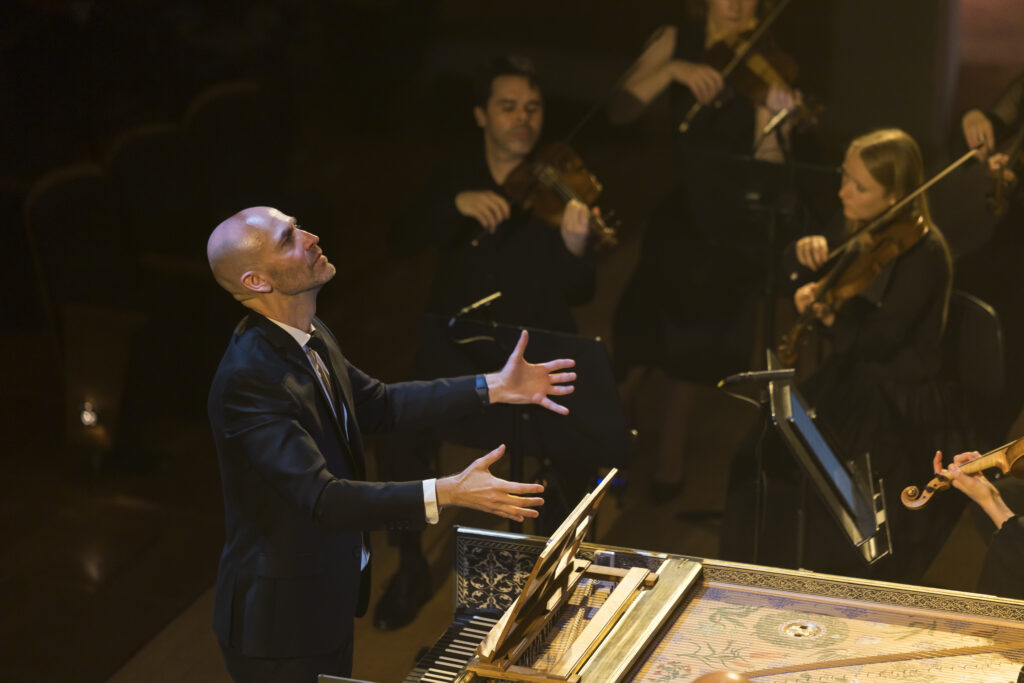
Helyard leads this phenomenally receptive, connected and attuned ensemble with the greatest musical sensitivity and vigour. The full chorus moments create a sound so cohesive and full, when I closed my eyes it felt like I was sitting in front of a 50 strong chorus.
Is MESSIAH Worth Seeing in Sydney?
Near the end of the work I found myself thinking that this is probably the closest I’ll ever get to Handel – the depth of research and commitment to delivering a historically accurate and informed performance is such an honour to behold for a Handel-lover like me. In his 1742 production, Handel had trained up the best local talent he could find with the voices and instruments available at the time, but Helyard stands in front of 28 of the very best baroque musicians from Australia and around the world. It’s a privilege to witness the work performed in this nuanced and intimate way – a very fitting tribute to the legacy of Handel’s Messiah.
Tickets and Practical Info for MESSIAH in SYDNEY 🎟️
27 November – 3 December at City Recital Hall
Running time of 3 hours including a 20 minute interval.
Written by George Frideric Handel (1685-1759)
Libretto by Charles Jennens (1700-1773)
Sopranos: Miriam Allan, Myriam Arbouz and Brianna Louwen
Mezzo-sopranos: Hannah Fraser, Olivia Payne and Ashlyn Tymms
Tenors: Louis Hurley, Jacob Lawrence and Sebastian Maclaine
Basses: Edward Grint, Andrew O’Connor and Freddy Shaw
Conductor: Erin Helyard
Lighting Desinger: Damien Cooper
Orchestra of the Antipodes
You can listen to conductor Erin Helyard and soprano Miriam Allan chat to Vanessa Hughes on ABC Classic Drive Live about the performances here: https://www.abc.net.au/listen/programs/classic-drive/drive-live-with-pinchgut-opera/106058798